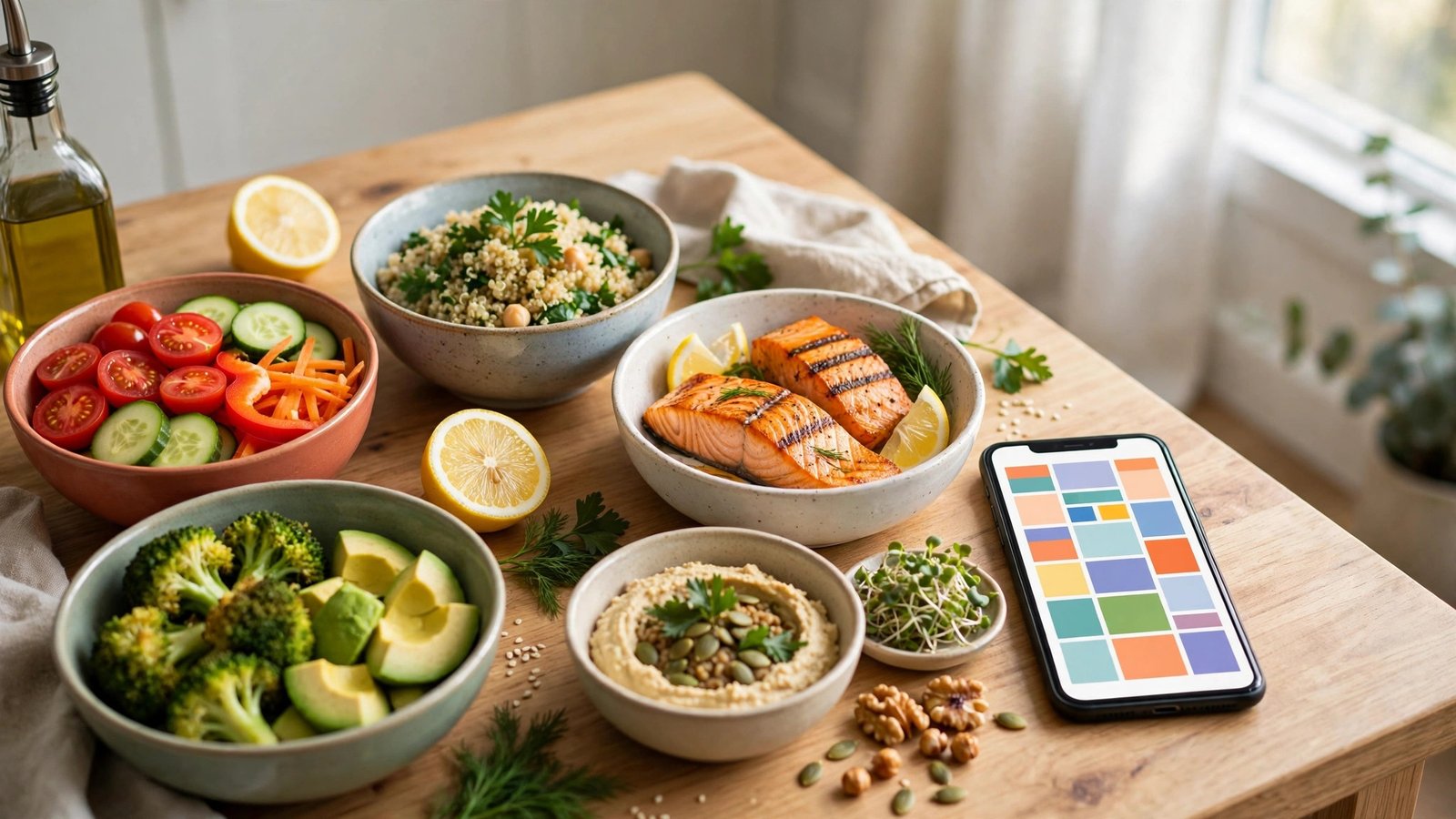
By Friday of the first week, I was standing in front of my fridge holding a bunch of coriander so wilted it had basically become soup, wondering where it had all gone wrong.
It had gone wrong on Sunday. Confidently. That’s when I’d typed “make me a healthy weekly meal plan” into ChatGPT, received a beautiful document, and shopped for it like a man who believed his own press release.
The plan assumed things about me. It assumed I had 45 minutes on a Tuesday, a herb garden, a food processor, and a life in which “quick weeknight dinner” means three pans and a sauce you reduce. I have one good pan. Monday’s dinner was genuinely lovely. It also took fifty minutes, and the kitchen looked like a crime scene. Tuesday: toast. Wednesday: toast again, standing up, fridge door open, staring at the expensive evidence. A tub of Greek yoghurt. Herbs dying in formation. Chicken I’d missed the safe window on, straight into the bin — the bit that actually stung. Not the money. The smugness, curdling.
So this isn’t a tidy review of AI meal planner tools. It’s what happened when I kept going anyway — and how the second, uglier, honester plan became the first one I ever finished a whole week of.
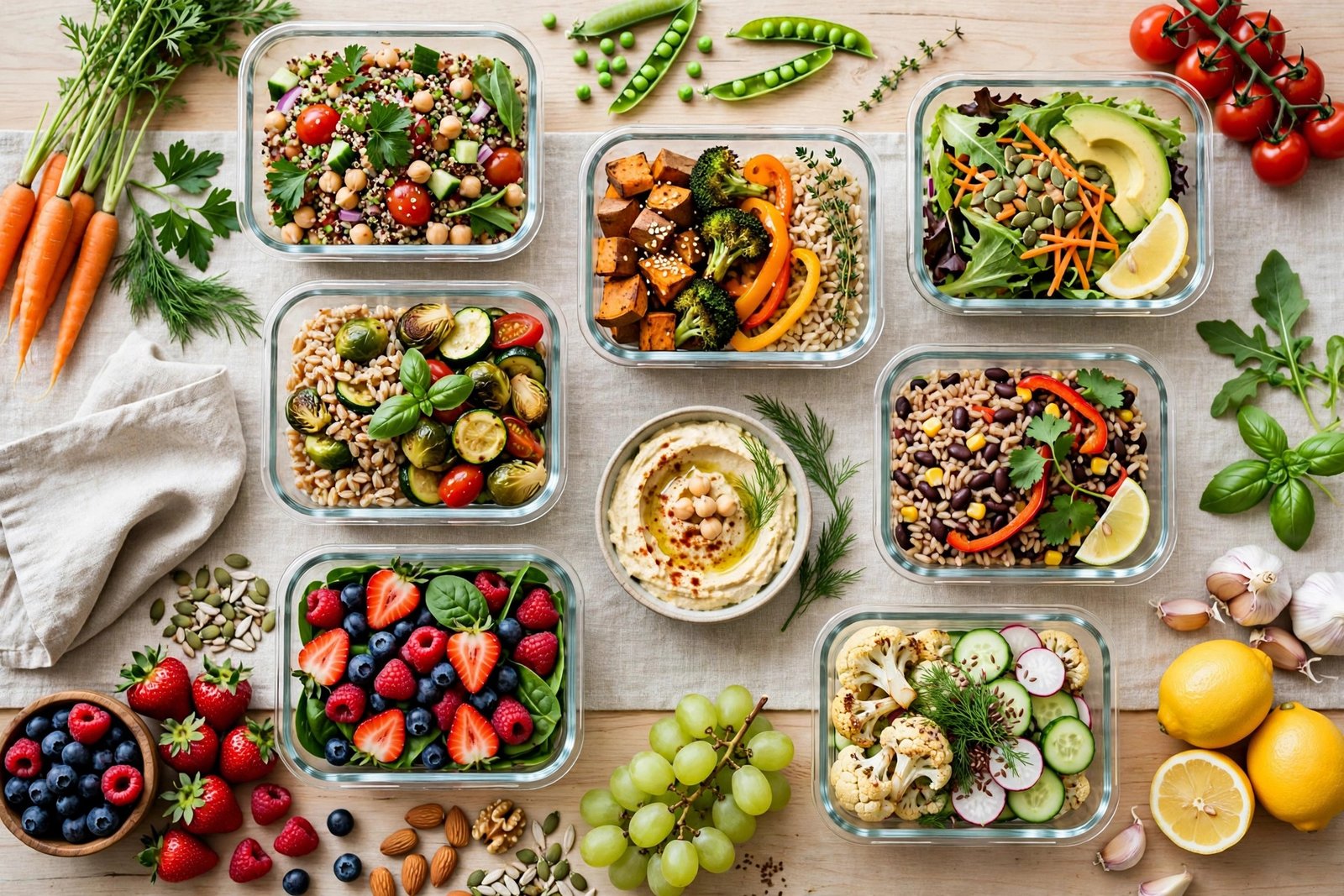
The fix wasn’t a better app. It was a truer prompt.
Week two, same chatbot. Different man. This time I briefed it like a flatmate who’d never met me: “Five dinners for two. Twenty minutes each on weeknights — I get home at seven and I am not reducing anything. Common supermarket ingredients. Vegetarian twice. No peanuts anywhere near it. No fresh coriander — I hate it with my whole heart. And don’t make it the same meal in different trousers.”
The plan that came back looked worse. Duller. A chicken traybake. A stir-fry. Soup — actually soup, on a Thursday, which felt like surrender. And I cooked all five. All five! The boring plan survived contact with my actual evenings. That’s the whole secret of these tools, if there is one: they mirror you. Feed one the fantasy week and it will happily plan dinners for the fantasy person, who apparently owns ramekins.
Week three I ran on Gemini, since it was already on my phone: much the same brain, different kitchen. Either chatbot will do this job. The prompt is the job.
Then I went looking for an app, because of course I did
A chatbot gives you a plan, not a system — it doesn’t remember you rated Tuesday’s soup “never again.” So: the app phase, in the order I lived it.
Samsung Food came first, because I’m a recipe hoarder — screenshots folder full of meals, the way other people’s phones are full of their children. Samsung Food takes recipes you’ve saved, builds a week out of them, then writes the list. The catch — there’s always a catch — is that your saved recipes include the ambitious projects Past You bookmarked at midnight. Week one, Wednesday needed a marinade I should have started Tuesday. Past You is a saboteur.
Mealime is the one that stuck. Fast setup, then it builds the plan and merges everything into one grocery list, and the free tier is enough to learn whether it suits you. Read the list before you shop from it, though. The first one it gave me contained chickpeas in quantities suggesting I was feeding a street; five minutes of deleting duplicates is the cheapest cooking you’ll do all week. You pick from its recipes instead of describing dinner in a paragraph — at 6 p.m., tired, that’s a feature.
Eat This Much I uninstalled on a Thursday. It builds a whole day of eating around a calorie or macro target, automatically — exactly what some people want, if they’re numbers people. I’m not. It made dinner feel like filing taxes. And one of its generated days came in strikingly light — lunch had quietly shrunk to nearly nothing — and I remember thinking: no. A plan that skips meals or chops out whole food groups without a serious reason isn’t a feature. It’s a warning label. Delete the plan, not the food group. Off the phone it went.
Ollie I only trialled, briefly, and it kept gently assuming I had children. It’s built for families and picky eaters, learning what a household will actually eat. My sister runs her whole week on it and swears by it; her kids treat an unfamiliar vegetable like a personal insult. In my flat it had nothing to learn from except me, and I already know what I eat. Toast, historically.
A Tuesday, as actually eaten
Here, instead of a template, is a real Tuesday from the week that worked.
Breakfast was Greek yoghurt, oats, banana, peanut butter. Fine. It is fine. By the fourth morning I was bored enough to start negotiating with myself. The seeds version — for days when nuts are off the list — is better than it sounds and worse than the peanut butter. Everything is worse than the peanut butter.
Lunch was a chickpea and vegetable wrap made from Monday night’s leftover roast vegetables, plus an apple at my desk. My flatmate looked at the wrap and said, “That’s just yesterday’s dinner in a coat.” He was right. It was still good. That is what a sustainable plan actually is: yesterday’s dinner in a coat, on purpose.
Dinner: one pan. Chicken, potatoes, frozen peas, garlic, lemon. Twenty minutes. I burnt the garlic slightly — I was reading messages — and we ate it anyway, and it was the best meal of the week. A plan that keeps producing dinners you can cook while half-watching the news survives. A plan that needs your full attention and a clean kitchen is a hobby, not a plan.
The bit where I nearly got it badly wrong
The safety part, then — except it arrived in my life as a near-miss, on the good week, with the good plan.
That Friday I was cooking for a friend. A friend with a peanut allergy — the serious kind, the kind he mentions once, quietly, when he arrives. The allergy was in the tool’s instructions; I’d typed it in myself. But the plan suggested a noodle dish with a sauce I’d never made, and when I read the packet in the shop — I do read packets, it’s the one grown-up habit I have — the sauce contained peanut. The tool hadn’t lied, exactly. It had been careless in the way these things are careless: plausible, fluent, wrong.
So, learned the hard way: check ingredients yourself, every time. Packaging wins. The app comes third, behind actual professionals. None of this article is medical advice, and neither is anything an app tells you — if you’ve got a medical condition or allergies, you’re pregnant, or you’re on medication, a doctor or a registered dietitian should look at any big change before you make it. And no tool here, or anywhere, can guarantee weight loss or any particular result, because bodies aren’t spreadsheets, whatever Eat This Much would have you believe.
Questions people actually ask me
Are these tools free, or is this another subscription ambush?
Mostly free, at the level you’d start: chatbots build plans for nothing, Mealime’s free tier is genuinely usable; paid plans add grocery ordering and deeper nutrition targets. My rule: a tool earns its subscription after it has saved you real time three weeks running. Before that, it’s a hope with a monthly fee.
Can one actually help me lose weight?
It can help you get organised and consistent, and plenty of people find that was the missing bit. What it cannot do is promise you a number — anyone who does, human or software or man in a gym, is selling something. For personal advice about your weight, that’s a doctor-or-dietitian conversation.
Is it safe to just follow what the app says?
Scroll up to the noodle sauce. Starting point, never orders. Check the ingredients, check the portions, and if it’s about your actual health rather than your shopping list, check with a professional.
Why do my plans get so repetitive?
Because you never told it you’re sick of pasta. Say so. Rate the meals, be rude about the soup. These tools only vary things once you complain — which, to be fair, is also how cooking for a family works.
What should I never tell a meal-planning app?
Your medical history, diagnoses, anything you wouldn’t say out loud in a café — not until you understand exactly how that service stores and uses your data. Allergies, dislikes, twenty minutes on a weeknight: that’s plenty. It doesn’t need your life story. It’s seen enough, frankly, starting with the coriander.
Last thing
The tools are good at the boring parts: suggesting variety, assembling the list, remembering you own chickpeas. What they’re bad at is knowing your life — the late meetings, the flatmate, the one good pan. So tell them. Badly at first, then better.
Start with three dinners, not a flawless month. Cook them, complain properly, adjust one thing at a time. The plan that survives your real Tuesday is worth more than the beautiful one rotting in the fridge next to the herbs.